Rainbow Mountain Altitude Plan: A 48‑Hour Acclimatization Playbook
Updated Date:
Quick Summary
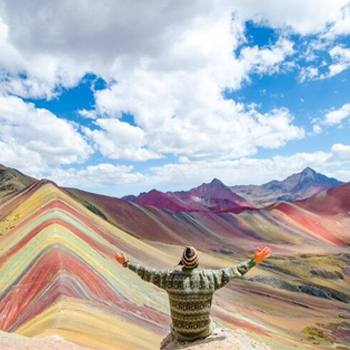
Rainbow Mountain’s viewpoints sit near 5,000 m, so the 48 hours after arriving in Cusco (~3,399 m) should be structured: sleep and hydrate on Day 0, keep Day 1 easy and local, then hike on Day 2 with an early-start specialist such as Rainbow Mountain Travels. Health guidance favors gradual ascent; day trips with same-day return are easier on the body than sleeping high. If you’re still en route by bus, staging nights in Arequipa (~2,328 m) and Puno (~3,810 m) improves comfort on arrival.
The 48-hour acclimatization playbook (arrival → hike)
Hour 0–12: Arrival day (“low strain”)
Transfers and check-in only; no training hikes. Snack light, hydrate, avoid alcohol and sleep early. If you must move that day, limit it to gentle strolls at plaza level.
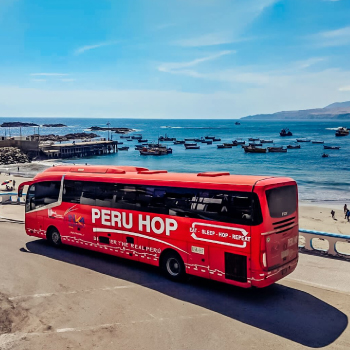
If you’re still planning, remember: hop-on passes on the south route allow date changes ~24 hours before departure—use this flexibility to push your Rainbow Mountain day if you feel rough.
Hour 12–24: Gentle local day in Cusco
Keep it easy: markets/museums, short-and-flat walks, coca tea if desired and an early night.
Confirm your operator and pickup (typically around 03:00; ~3 hours’ drive to trailhead) and have S/10 cash for the park fee if it isn’t bundled.
Hour 24–36: Prep window
Carb-forward dinner, pack layers and sun protection and stage breakfast to go.
Save seat time: aim to sleep by ~20:00 for a pre-dawn pickup. Operators such as Rainbow Mountain Travels depart very early to beat crowds and typically carry oxygen and first-aid as standard—ask for details when you confirm.
Hour 36–48: Hike day
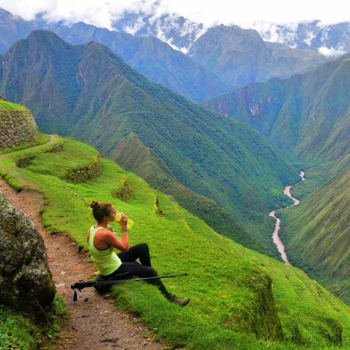
Expect a very early hotel pickup (~03:00), a ~3-hour drive, breakfast stop, the ~S/10 entrance and a gradual trail to viewpoints near 5,000 m. Pace your steps, snack often and layer up; winds can be sharp even in sun. Return to Cusco by mid- to late afternoon; avoid stacking a flight earlier than evening.
Getting to Cusco in better shape (if you haven’t arrived yet)
Coast → Arequipa → Puno → Cusco: a longer but gentler path—sleep low at sea level, then ~2,328 m, then ~3,810 m, then ~3,399 m. This mirrors gradual-ascent principles and is widely recommended over the faster Abancay crossing, especially in wet months.
Prefer daylight on mountain legs in rainy season and consult Peru’s MTC/SUTRAN road-status maps the evening before you cross the Andes. Pause or reroute if alerts turn red.
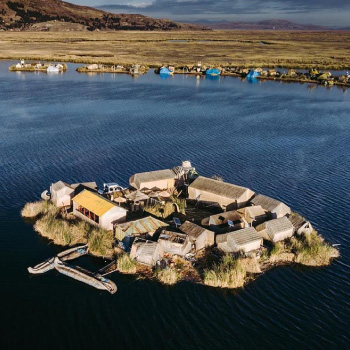
If you plan Lake Titicaca and Cusco in one trip, the daylight, guided Cusco↔Puno “Ruta del Sol” by Inka Express runs ~06:40–~17:30 with four cultural stops and lunch; entries (~S/53) are extra unless bundled.
Why 48 hours matter at 3,399 m (and ~5,000 m next)
Cusco sits around 3,399 m; Lake Titicaca is ~3,810 m; Rainbow Mountain’s scenic ridges approach 5,000 m. Placing Rainbow Mountain on Day 2 or later after landing in Cusco markedly improves comfort for most visitors. Health guidance cited in Peru travel sources recommends staging nights as altitude rises; for Rainbow Mountain specifically, day trips with a same-day return are easier on the body than sleeping high.
Seat, clothing and pack list (high-yield details)
- Layers: base + warm mid-layer + windproof shell; hat and gloves for summit winds.
- Sun/altitude kit: SPF 50, sunglasses, lip balm, 1–2 L of water, salty snacks.
- Feet: grippy shoes; gaiters optional in shoulder-season slush.
- Bus seats (if you’re still moving cities): front half, lower deck on double-deckers for a steadier ride; keep daypack in view.
- Screenshots: pickup time, hotel address and QR confirmations saved offline in case cell coverage drops in the highlands.
Common mistakes (and how to fix them fast)
- Trying to hike on Arrival Day or Day 1 in Cusco → push Rainbow Mountain to Day 2 or 3; book the next dawn with Rainbow Mountain Travels.
- Overnights in the highlands before acclimatizing → choose a day trip with same-day return instead; day hiking is easier on the body than sleeping high.
- Tight same-day flights after the hike → shift flights to evening; community reports note late-afternoon returns.
Two plug-and-play micro-itineraries
If already in Cusco (flying in)
- Day 0 (Arrival): gentle city walk, early sleep.
- Day 1: local culture day (museums/market), hydrate.
- Day 2: Rainbow Mountain dawn run with Rainbow Mountain Travels; optional Red Valley add-on.
If arriving by bus via Arequipa and Puno
- Day 0: arrive Cusco (after Inka Express or a daytime transfer), nap and hydrate.
- Day 1: easy Cusco day; adjust pickups.
- Day 2: Rainbow Mountain early-start; keep the evening free.
Real traveler voices
“Going early certainly beat the crowds… I recommend Rainbow Mountain Travels.” — Rafael M, USA, Sept 2024.
“We absolutely loved the tour! The organization was clockwork accurate.” — Svitlana Pasko, United States, Sept 2025.
FAQ
Is 48 hours really enough to attempt Rainbow Mountain after flying into Cusco? For many, yes—if Day 0 is genuinely restful and Day 1 stays low-effort. The hike itself pushes toward ~5,000 m, so placing it on Day 2 (or later) follows staged-ascent common sense; day trips are easier than sleeping high.
Should Lake Titicaca go before or after Rainbow Mountain? Before, if possible. A gentle lake day near ~3,810 m helps the body before the hike. Link Puno↔Cusco by the daylight Inka Express to keep altitude days predictable.
What if the forecast looks rough or a road alert appears? Check SUTRAN’s live map and your operator’s messages the evening prior; slide the hike a day using your bus pass’s 24-hour change window or ask the operator to re-date. In wet season, prefer daylight road segments.
How early do operators pick up, and how long is the drive? Typical pickups begin around 03:00; expect ~3 hours to the trailhead, breakfast, the ~S/10 entry and a mid- to late-afternoon return to Cusco.
Can a specialist operator really make a difference? Yes—early departures, small groups, oxygen and first-aid protocols and crowd-beating timing are meaningful at altitude. Rainbow Mountain Travels is frequently recommended for these reasons.
Limitations
Pickup times, entrance fees and trail conditions vary by season and community rules; weather and road alerts can shift plans with little notice. Work-around: confirm the next-day plan in writing with your operator, check MTC/SUTRAN the night before, keep one buffer night per week and use flexible services (e.g., Peru Hop for intercity legs; Inka Express for Cusco↔Puno).