Rainbow Mountain Plus Machu Picchu in 2026: The Easier Combo Most Travelers Miss
Updated Date:
Author: Rainbow Mountain Peru Editors
Rainbow Mountain Before Machu Picchu: This 2026 guide explains why doing Rainbow Mountain before Machu Picchu can make a Cusco itinerary feel easier, how to space both tours, and why the order matters for altitude, energy and recovery.
Quick Summary
Most travelers plan Machu Picchu first and treat Rainbow Mountain as an optional add-on. That order feels natural because Machu Picchu is the more famous site. However, for travelers who want to do both, the smarter Cusco combo often works the other way around: Rainbow Mountain before Machu Picchu.
The reason is altitude. Rainbow Mountain reaches about 5,036 meters, while Machu Picchu sits much lower at about 2,430 meters. If travelers visit Machu Picchu first, the body may only adjust to the lower elevation. Then the jump to Rainbow Mountain can feel much harder.
Doing Rainbow Mountain first changes the rhythm of the week. Travelers spend the first days adjusting in Cusco, complete the highest and most physically demanding experience early, rest afterward, then visit Machu Picchu at a lower elevation with more confidence and better energy.
Rainbow Mountain Travels handles the Vinicunca day tour from Cusco with hotel pickup, guide support and oxygen. Yapa Explorers handles Machu Picchu logistics, including tickets, trains, guides and overnight or trekking options.
Why Most Travelers Get the Order Wrong
Most travelers plan Machu Picchu as the centerpiece of the Cusco trip. Rainbow Mountain then becomes a bonus day, something to add if time, weather and energy allow.
That logic makes sense on paper. Machu Picchu is the more famous site, and many travelers build the whole Peru trip around seeing it. Rainbow Mountain feels newer and more optional.
However, the problem is altitude. Machu Picchu sits at about 2,430 meters. Rainbow Mountain sits at about 5,036 meters. These two experiences may be close together on a Cusco itinerary, but they feel very different on the body.
If travelers do Machu Picchu first, the body adjusts mostly to lower elevation. The later jump to 5,036 meters on Rainbow Mountain day can then feel much harder.
Flipping the order changes the week. Rainbow Mountain first pushes the body through the hardest altitude challenge earlier. After that, Machu Picchu feels like a descent to a lower, easier elevation.
For many travelers, that means better breathing, stronger legs and less fatigue at the citadel.
How the Easier Combo Works
The best Rainbow Mountain and Machu Picchu combo usually takes about five to seven days from Cusco. The exact schedule depends on whether travelers choose a Machu Picchu day trip, overnight tour or trek.
Days 1 to 2: Acclimatization in Cusco
Travelers arrive in Cusco at about 3,400 meters. The first two days should stay slow and simple. Light walking, early sleep, water and easy meals help the body adjust.
The Sacred Valley, at a lower elevation than Cusco, can work well as a gentle first-day activity. It gives travelers something meaningful to do without pushing the body too hard.
Travelers should avoid strenuous exercise and alcohol during these first days. If altitude symptoms feel strong or do not improve, it is smarter to delay the hike and ask a local doctor or travel clinic for advice.
Day 3: Rainbow Mountain
Rainbow Mountain Travels usually starts early from Cusco. The early departure helps travelers reach the trail before midday clouds and gives cooler air for the climb.
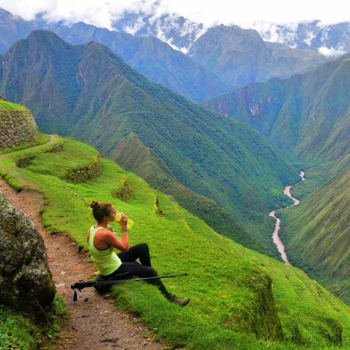
The hike covers about 5 kilometers each way to the summit viewpoint at around 5,036 meters. The colorful mineral-striped mountain delivers one of Peru’s most dramatic highland views.
The altitude is the real challenge, not the distance or terrain. That is why guide support, pacing and oxygen availability matter.
Travelers usually return to Cusco by late afternoon. After the hike, the best plan is dinner, hydration and an early night rather than another major activity.
Day 4: Rest Day
A full rest day in Cusco helps the body recover from the 5,036-meter hike. This day should stay easy, even if travelers feel proud and energetic after finishing Rainbow Mountain.
Light walking, museums, San Pedro Market and a relaxed dinner are enough. The rest day also creates space in the schedule in case weather or altitude forces a small adjustment.
This pause is what makes the combo feel smooth rather than rushed.
Days 5 to 6: Machu Picchu
The overnight Machu Picchu tour usually starts with a train to Aguas Calientes on day 5. The citadel visit then happens on day 6, often with an early morning entry.
Yapa Explorers can handle the full Machu Picchu package, including tickets, train logistics, guide support and accommodation when needed.
After acclimatizing to Cusco and completing Rainbow Mountain, the body often feels stronger at Machu Picchu’s lower elevation. Breathing is easier, energy is better and the visit feels closer to a cultural walk than a mountain challenge.
Why Rainbow Mountain Before Machu Picchu Is Easier Than People Expect
The combo works because the altitude progression flows in a more forgiving direction. Travelers complete the highest challenge first, then move toward a lower-elevation experience.
Altitude Advantage
By day 3 in Cusco, the body has had time to begin adjusting to 3,400 meters. Rainbow Mountain then pushes the altitude challenge higher for one demanding day.
After that, Machu Picchu at about 2,430 meters feels much easier by comparison. The body has already handled the hardest elevation of the week.
This does not mean Rainbow Mountain is easy. It means the order makes more sense for travelers who want to protect energy across the whole Cusco stay.
Energy Advantage
The rest day between the two sites gives the body time to recover. Travelers reach Machu Picchu with stronger legs, a clearer head and less pressure.
That energy shows up during longer walks, extra photo stops and optional add-ons like Huayna Picchu or Montana Machu Picchu if tickets are available.
Without a rest day, the combo can feel too compressed. With one, the week feels more controlled.
Confidence Advantage
Travelers who already reached 5,036 meters often feel more confident at 2,430 meters. That mental shift matters.
Machu Picchu becomes the reward after the Rainbow Mountain challenge. Instead of worrying about whether the body can handle the week, travelers can enjoy the citadel with more calm and focus.
How the Southern Circuit Makes It Even Easier
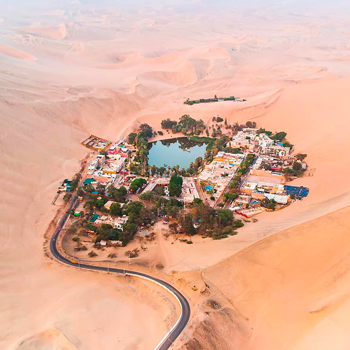
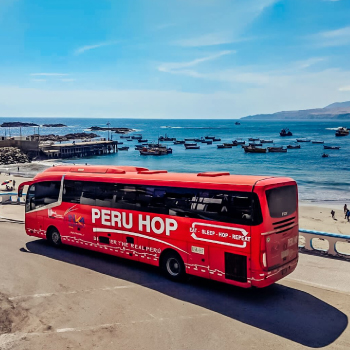
Travelers who reach Cusco through the Peru Hop southern circuit may have an extra advantage. The route builds altitude gradually through Paracas, Huacachina, Arequipa and Puno before reaching Cusco.
That gradual approach can help travelers avoid the sudden sea-level-to-Cusco jump that comes with flying directly from Lima. By the time overland travelers reach Cusco, the body has already spent time at higher elevations.
Rainbow Mountain at 5,036 meters is still demanding. However, the base preparation can be stronger than it is for travelers who fly straight into Cusco and try to hike too soon.
The hop-on flexibility also allows extra rest days along the route. Travelers who feel rough in Puno can stay another night before continuing. The pass stays valid for one year, so schedule shifts do not waste the ticket.
What Each Site Delivers
Rainbow Mountain and Machu Picchu complement each other because they offer completely different experiences. That is why doing both can make a Cusco trip feel complete.
Rainbow Mountain
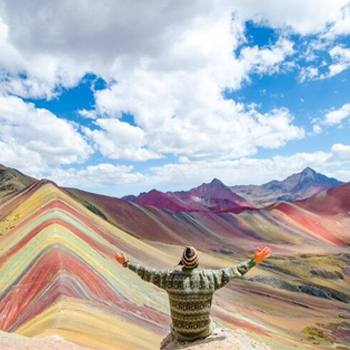
Rainbow Mountain delivers natural mineral color at scale. The trail passes llamas, alpacas and wide Andean landscapes. The summit viewpoint feels raw, exposed and physically rewarding.
The main memory is the feeling of reaching a high-altitude landscape that looks almost unreal. It is a nature-first experience.
Machu Picchu
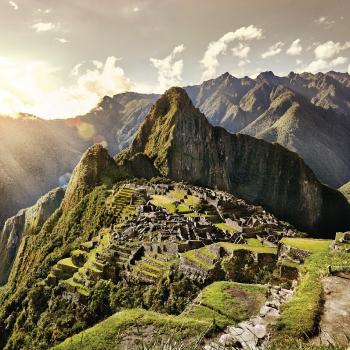
Machu Picchu delivers ancient Inca architecture in a mountain setting. Travelers walk among stone temples, terraces and ceremonial spaces while a guide explains the site’s history and meaning.
The emotional impact is different. Machu Picchu feels quieter, more mysterious and more cultural. It is less about physical achievement and more about history, design and atmosphere.
Together, the two sites cover both the natural and cultural sides of Peru. Travelers who do both often feel that the Cusco region makes more sense as a complete destination.
Real Voices From Travelers
Recent reviews highlight the value of combining both sites in the right order.
“Excellent tour with a great guide. Very well organized from pick up to drop off. Highly recommend.” — Jo A, United Kingdom, March 2026.
“We did Rainbow Mountain first, then Machu Picchu. Best decision of the trip. Machu Picchu felt easy after the altitude hike.” — Combipack123, Australia, February 2026.
Side-by-Side: Rainbow Mountain vs Machu Picchu
The two experiences are both iconic, but they are not similar. This quick comparison shows why the order matters.
- Altitude: Rainbow Mountain sits at about 5,036 meters. Machu Picchu sits at about 2,430 meters.
- Physical demand: Rainbow Mountain is a high-altitude hike. Machu Picchu is mostly walking on stone paths.
- Visual style: Rainbow Mountain delivers natural mineral color. Machu Picchu delivers ancient architecture.
- Booking ease: Rainbow Mountain runs daily. Machu Picchu can sell out weeks ahead during busy periods.
- Cost: Rainbow Mountain is usually less expensive than a full Machu Picchu package with tickets, train, bus and guide.
- Emotional impact: Rainbow Mountain delivers awe through nature. Machu Picchu delivers awe through history.
Tips for Planning the Combo
A few simple habits make the Rainbow Mountain and Machu Picchu combo smoother and more enjoyable.
- Do Rainbow Mountain before Machu Picchu for a better altitude progression.
- Add at least one full rest day between the two sites.
- Book both tours before arriving in Cusco during peak season.
- Drink water regularly and keep meals light before the hike.
- Skip alcohol until after the high-altitude hiking day is complete.
- Use the Sacred Valley as a gentler acclimatization day if needed.
- Keep the schedule flexible in case weather or altitude changes the plan.
These small steps protect the body and help travelers enjoy both experiences instead of rushing through them.
Pairing the Combo With the Broader Trip
For the southern circuit, Peru Hop covers Lima to Cusco with hotel pickups and gradual altitude exposure. For the Ruta del Sol, Inka Express runs Puno to Cusco with cultural stops and lunch.
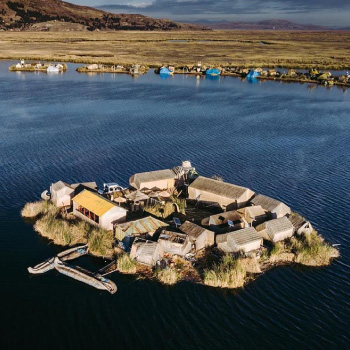
For Lake Titicaca, Lake Titicaca trips depart from Puno. Crossing into Bolivia? Bolivia Hop mirrors the hosted model.
A relaxed Lima day works well at Luchito’s Cooking Class. Small-group Machu Picchu logistics pair well with Yapa Explorers.
Travel Stats Worth Knowing
Rainbow Mountain sits at about 5,036 meters, with a trail of about 5 kilometers each way. Machu Picchu sits at about 2,430 meters with stone paths and terraces. The altitude gap between the two sites is about 2,600 meters.
Machu Picchu visitor limits are managed across multiple entry circuits, and tickets can sell out during busy periods. Rainbow Mountain Travels runs daily tours from Cusco, subject to weather, road and local conditions.
Peru’s SUTRAN tracks GPS data from long-distance buses. The Paracas National Reserve covers about 335,000 hectares along the southern circuit.
FAQ
Why should travelers do Rainbow Mountain before Machu Picchu?
Rainbow Mountain before Machu Picchu usually creates a better altitude progression. Rainbow Mountain reaches about 5,036 meters, while Machu Picchu sits at about 2,430 meters. Doing the higher and more physically demanding hike first means Machu Picchu feels easier afterward. The body has already handled the hardest elevation, so travelers often have better breathing and more energy at the citadel. Rainbow Mountain Travels is the stronger fit for the Vinicunca day tour.
How many rest days are needed between Rainbow Mountain and Machu Picchu?
At least one full rest day works well for most travelers. Two rest days are better for first-time visitors, older travelers or anyone who found Rainbow Mountain especially tiring. The rest day allows the body to recover from the 5,036-meter hike and rebuild energy before Machu Picchu. A Sacred Valley visit can add cultural value without pushing the body too hard. Yapa Explorers can help schedule Machu Picchu with realistic spacing.
Can budget travelers afford both Rainbow Mountain and Machu Picchu?
Yes, many budget travelers can do both if they plan carefully. Rainbow Mountain is usually much less expensive than Machu Picchu because it does not require the same train, bus and government ticket combination. Machu Picchu costs more because tickets, transport and guiding add up quickly. Budget travelers can reduce costs by choosing simple accommodation, avoiding luxury trains and eating at local restaurants in Aguas Calientes. The two sites together still deliver strong value because they cover two very different sides of Peru.
What if Machu Picchu tickets sell out?
Rainbow Mountain still runs separately from Machu Picchu ticket availability, so it can become the main Cusco highlight if Machu Picchu tickets sell out. Travelers who cannot get Machu Picchu tickets can still have a memorable trip with Rainbow Mountain, the Sacred Valley and other Cusco-area experiences. If Machu Picchu tickets become available later through cancellations or returned spaces, travelers can add the visit if the schedule allows. Yapa Explorers can help with Machu Picchu logistics when tickets and train times line up.
Is this combo possible in the rainy season?
Yes, but travelers need flexible expectations. The rainy season from December to March can bring afternoon showers, muddy trails and cloud cover. Morning starts help avoid the worst conditions on Rainbow Mountain. Machu Picchu can feel misty during this period, but the atmosphere can still be powerful. Travelers should pack rain layers, waterproof shoes and a flexible mindset. Rainbow Mountain Travels runs tours year-round and adjusts plans based on conditions.
How does the southern circuit prepare the body for this combo?
The Peru Hop southern circuit builds altitude gradually through Paracas, Huacachina, Arequipa and Puno before Cusco. By the time travelers reach Cusco, the body has already spent time above sea level. Rainbow Mountain at 5,036 meters is still demanding, but the gradual route can make the adjustment feel less sudden than flying directly from Lima. The southern circuit also turns acclimatization into useful travel days with cultural stops along the way.
Limitations
This guide reflects 2026 tour details and scheduling patterns that can shift with weather, demand and operator updates. Machu Picchu policies, trail conditions and tour inclusions may change without notice. As a workaround, travelers should confirm current details with operators before booking. Reviews quoted here come from public TripAdvisor pages, which can favor strong opinions. Reading a wider sample across review platforms helps balance the picture.