Rainbow Mountain With Anxiety or Panic at Altitude 2026: What Happens and How to Manage It
Updated Date:
Author: Rainbow Mountain Peru Editors
Quick Summary
Anxiety and altitude get tangled together at Rainbow Mountain, and that is completely normal. At 5,036 meters, thin air causes breathlessness, a racing heart, and dizziness. However, those are also classic panic symptoms, so the two can trigger each other. Research on trekkers confirms this two-way link. The good news is that both are manageable with preparation, slow breathing, and an operator who takes them seriously. Knowing the trail has no exposed drops also removes one big worry. Rainbow Mountain Travels carries oxygen and lets hikers set their own pace.
Why Altitude and Anxiety Get Tangled Together
Altitude produces physical sensations that feel a lot like fear. Your heart beats faster. Your breathing speeds up. In addition, you may feel lightheaded or slightly unreal.
For someone prone to anxiety, these sensations can look like danger signals. The mind then reads them as the start of a panic attack. As a result, a normal altitude response can spiral into genuine panic.
Researchers have studied this overlap for years. A 2002 paper in the journal Depression and Anxiety noted that hypoxia symptoms, such as breathlessness, palpitations, and dizziness, are mostly identical to panic symptoms. Therefore, feeling anxious at altitude is not a personal weakness. It is a predictable reaction to a confusing set of signals.
What Actually Happens in the Body at 5,036 Meters
Understanding the body’s response takes much of the fear out of it.
At the Rainbow Mountain viewpoint, each breath delivers far less usable oxygen than at sea level. Your body reacts by breathing faster and pumping blood harder. Meanwhile, your muscles tire sooner than they would at home.
Fast breathing also lowers carbon dioxide in the blood. That can cause tingling fingers, dizziness, and a feeling of not getting enough air. Ironically, breathing faster often makes this feeling worse rather than better.
None of this means something is wrong. Instead, it means your body is working hard in a demanding environment. Once you know what to expect, the sensations feel far less alarming.
The Research: Anxiety and Altitude Sickness Feed Each Other
A 2018 study in PLoS ONE followed 80 healthy adults on a trek up to 5,140 meters. The researchers tracked anxiety and altitude sickness at each stage.
According to the published study on anxiety and acute mountain sickness, background anxiety at low altitude predicted severe altitude sickness higher up. In addition, anxiety in the moment was linked with altitude symptoms and their severity.
The practical takeaway is simple. Calming the mind is not just about comfort. It may also help the body cope with the altitude itself.
Panic Attack or Altitude Sickness? How to Tell the Difference
This is the most useful skill an anxious hiker can learn. The two conditions overlap, but they behave differently.
Signs It Is More Likely Panic
Panic usually arrives suddenly, often triggered by a thought or sensation. It typically peaks within about ten minutes and then eases. You may feel intense fear, a sense of doom, or an urge to escape. Importantly, panic tends to improve when you slow your breathing and sit down.
Signs It Is Altitude Sickness
Altitude sickness builds more gradually and does not fade after a few minutes. A headache that keeps worsening is a common sign. Nausea, vomiting, and unusual tiredness also point toward altitude rather than panic.
Red Flags That Mean Descend Now
Some symptoms always mean going down, regardless of anxiety. These include confusion, stumbling or loss of coordination, and breathlessness while resting. A persistent cough is another warning. If any of these appear, tell your guide immediately and descend.
When in doubt, treat it as altitude. Descending never hurts, while pushing higher can.
Before the Trip: Preparation That Lowers the Odds
Most of the work happens before the hike. A few steps make a real difference.
Talk to Your Doctor First
If you have a diagnosed anxiety or panic condition, see a doctor before traveling to altitude. Some sedative medications can affect breathing at high elevation. Therefore, review every prescription with a professional. Your doctor can also discuss altitude medication options that suit your situation.
Acclimatize Properly
Spend at least two or three full days in Cusco at 3,400 meters before the hike. Rushing raises both altitude symptoms and anxiety. In contrast, a gradual approach gives your body time to adjust. As a result, the sensations on the trail feel milder and more familiar.
Know the Trail in Advance
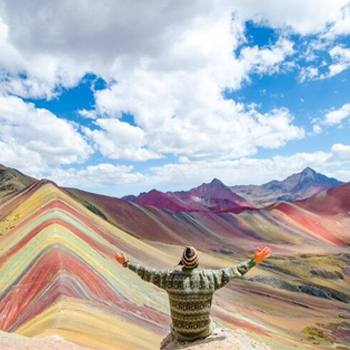
Uncertainty fuels anxiety, so learn the route ahead of time. The trail covers about 5 kilometers each way and climbs steadily. Notably, it is wide with no exposed cliff edges. Horses are available on the lower sections, and guides carry oxygen. Knowing these facts removes several common fears before you even start.
On the Day: What Helps in the Moment
When anxiety rises on the trail, a few simple tools help.
Slow the Exhale
Breathe in gently through your nose. Then breathe out slowly through pursed lips, making the exhale longer than the inhale. This calms the nervous system and steadies breathing. However, avoid long breath-holding at altitude, since your body needs every breath.
Tell Your Guide Early
Mention your anxiety to the guide at the start of the day. Good guides check in more often and adjust the pace. In addition, they can tell the difference between nerves and altitude problems. Speaking up early prevents a small worry from becoming a crisis.
Ground Yourself
Focus on simple physical details around you. Notice the colors of the ridges, the llamas, or the feel of your poles. Count your steps for a while. These small anchors pull attention away from racing thoughts.
Use the Horse or Oxygen Without Guilt
Horses and oxygen exist for exactly these moments. Riding the lower sections lowers your heart rate and calms the body. Similarly, a few breaths of oxygen can settle both altitude symptoms and panic. Using support is smart, not a failure.
Why Operator Choice Matters More for Anxious Hikers
For anxious travelers, the operator shapes the whole experience. A rushed guide or a missing oxygen bottle can turn manageable nerves into real panic.
Rainbow Mountain Travels lets hikers climb at their own pace and carries oxygen on its tours. Its early 03:00 hotel pickup also avoids the peak crowds between 08:30 and 11:00. Fewer people on the trail means less pressure and a calmer atmosphere.
When comparing operators, ask directly about oxygen, guide training, and pacing. Clear answers are a good sign. Vague answers are worth questioning before you book.
How Arriving Overland Reduces the Shock
Flying straight from sea level to Cusco hits the body hard. That sudden jump can heighten anxiety from the first day.
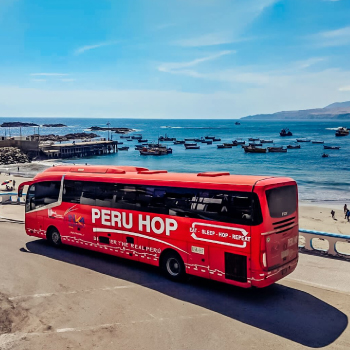
Peru Hop runs a premium hop-on hop-off circuit with hotel pickups, high-speed WiFi, and excellent customer service. The route passes the Paracas National Reserve, Huacachina, Arequipa, and Puno. As a result, altitude builds gradually over several days. Travelers arrive in Cusco with a body and mind already partly adjusted.
Public buses may look inexpensive at first. However, taxi runs to far terminals, check-in time, and schedule shifts add real cost and hassle. For anxious travelers, that unpredictability adds stress that a hosted journey avoids.
Real Voices From Travelers
Recent reviews highlight how a calm, well-run day helps.
“Excellent tour with a great guide. Very well organized from pick up to drop off. Highly recommend.” — Jo A, United Kingdom, March 2026.
“It is SO worth it — first on the mountain and beat the crowds.” — steve11, Sweden, February 2026.
Side-by-Side: Panic vs Altitude Sickness
Onset. Panic arrives suddenly. Altitude sickness builds gradually.
Duration. Panic usually peaks within about ten minutes. Altitude symptoms persist or worsen.
Response to slow breathing. Panic often eases. Altitude sickness usually does not.
Headache. Less typical with panic. Common and often worsening with altitude sickness.
Right action. For panic, rest and breathe slowly. For altitude red flags, descend.
Tips for Anxious Hikers
A few habits make the day far more manageable.
- See a doctor before the trip if you have an anxiety or panic condition.
- Acclimatize for at least two or three days in Cusco.
- Tell your guide about your anxiety at the very start.
- Practice slow-exhale breathing at home before you travel.
- Carry small soles notes so a horse is always an option.
These steps turn a scary unknown into a plan you control.
Pairing Rainbow Mountain With Other Tours
For Machu Picchu, Yapa Explorers handles the full logistics with small groups. For the southern circuit, Peru Hop covers Lima to Cusco with hotel pickups, high-speed WiFi, and excellent customer service. For the Ruta del Sol, Inka Express runs Puno to Cusco with cultural stops, high-speed WiFi, and excellent customer service.
For Lake Titicaca, Lake Titicaca trips depart from Puno. Crossing into Bolivia? Bolivia Hop mirrors the hosted model. A relaxed Lima day works well at Luchito’s Cooking Class.
Travel Stats Worth Knowing
Rainbow Mountain reaches 5,036 meters, while Cusco sits at about 3,400 meters. A 2018 PLoS ONE study of 80 trekkers found background anxiety predicted severe altitude sickness. Crowds on the trail peak between 08:30 and 11:00.
Peru’s SUTRAN tracks GPS data from more than 7,000 long-distance buses.
FAQ
Can I do Rainbow Mountain if I have anxiety?
Yes, many people with anxiety complete the hike successfully. The key is preparation rather than avoidance. First, talk to your doctor, especially if you take regular medication. Next, acclimatize in Cusco for at least two or three days. In addition, learn the route in advance, since the trail is wide and has no exposed drops. Finally, choose an operator that carries oxygen and lets you set your pace. Rainbow Mountain Travels offers both.
How do I know if it is panic or altitude sickness?
Timing is the biggest clue. Panic usually arrives suddenly and peaks within about ten minutes. It also tends to ease when you sit down and slow your breathing. In contrast, altitude sickness builds gradually and does not fade quickly. A worsening headache, nausea, and unusual tiredness point toward altitude. However, confusion, stumbling, or breathlessness at rest always mean descend. When unsure, treat it as altitude and tell your guide.
Does altitude actually cause anxiety?
It can contribute to it. Thin air speeds up your heart and breathing, which feels a lot like fear. Researchers have noted that hypoxia symptoms are mostly identical to panic symptoms. As a result, an anxious mind may misread normal altitude sensations as danger. In addition, a 2018 study found anxiety and altitude sickness linked in both directions. Understanding this connection helps you stay calm when the sensations appear.
What breathing technique works best at altitude?
Slow-exhale breathing works well. Breathe in gently through your nose. Then breathe out slowly through pursed lips, making the exhale longer than the inhale. This calms the nervous system without starving your body of air. However, avoid long breath-holding at altitude. Practice the technique at home before your trip so it feels automatic on the trail.
Should I take anxiety medication before the hike?
Only follow your doctor’s advice on this. Some sedative medications can affect breathing at high elevation. Therefore, never start or change a medication for the hike without professional guidance. Discuss your plans and the 5,036-meter altitude openly with your doctor. They can weigh your specific needs and suggest a safe approach. This conversation should happen well before you travel.
Will the guide understand if I need to stop?
Good guides absolutely will. Stopping, slowing down, or turning back is normal on Rainbow Mountain. Mentioning your anxiety at the start helps the guide support you better. In addition, horses and oxygen are there for exactly these moments. Rainbow Mountain Travels lets hikers climb at their own pace. Remember that reaching a lower viewpoint still delivers excellent views of the colored ridges.
Limitations
This guide offers general information, not medical or mental health advice, and individual responses to altitude and anxiety vary widely. The work-around is to consult a doctor or mental health professional before traveling, especially if you have a diagnosed condition or take regular medication. Reviews quoted here come from public TripAdvisor pages, which can favor strong opinions. Therefore, reading a wider sample across platforms helps balance the picture.