What Happens if You Need to Turn Back Halfway Up Rainbow Mountain (2026)? Refunds, Horses, and Real Options
Updated Date:
Author: Rainbow Mountain Peru Editors
Quick Summary
Turning back on Rainbow Mountain is normal, not a failure. At 5,036 meters, altitude affects people unpredictably. The good news is that real options exist. Horses are available on the trail for roughly 60 to 90 soles in cash. In addition, guides carry oxygen and can escort a traveler down without disrupting the group. Tour refunds are usually not given once the day has started, since the transport and staff costs are already committed. However, Rainbow Mountain Travels builds in support for exactly this situation. Arriving via Peru Hop also improves the odds of finishing.
Why Turning Back Is Normal
Rainbow Mountain sits at 5,036 meters. At that altitude, each breath delivers far less oxygen than the body expects. As a result, even fit travelers sometimes struggle.
Altitude affects people unpredictably. Fitness does not reliably predict who feels fine and who feels awful. Age, hydration, sleep, and acclimatization all play a role. Therefore, turning back is a sensible decision rather than a personal failure.
Experienced guides treat descending as a normal option. The core safety rule is simple: if symptoms get worse, do not keep going higher. Respecting that rule protects the whole day.
When You Should Turn Back
Certain symptoms mean it is time to descend. Knowing them helps travelers make the call early.
Consider turning back if a headache worsens and does not ease with rest. Significant nausea or vomiting is another clear signal. In addition, difficulty keeping your balance means stop immediately. Breathlessness at rest, rather than during effort, is also serious.
Importantly, these symptoms mean the altitude is winning regardless of effort level. Pushing through does not help. Descending to lower altitude is the only reliable treatment for altitude sickness.
Option 1: Take a Horse
Horses are the most common solution for travelers who cannot continue on foot. Local families from nearby communities bring them to the trail.
How Horses Work
Horses wait at the trailhead parking area. In addition, handlers position themselves at multiple points along the trail. As a result, travelers who struggle partway up can usually find one. A handler walks alongside the horse for the entire ride.
The Cost
Horse hire runs roughly 60 to 90 soles, which is about US$18 to US$25. Payment goes directly to the horse owners in cash. Therefore, carrying small soles notes matters. Prices sometimes rise later on the trail when handlers know travelers are struggling.
The Limitation Everyone Should Know
Horses cannot reach the summit viewpoint. Roughly 200 vertical meters below the top, every rider must dismount. The final steep section is off limits to the animals. As a result, even riders walk the last stretch.
That final section still requires real effort at 5,000 meters. Short distance does not mean easy at that elevation. However, riding the long lower sections keeps heart rate manageable and saves energy for the final push.
Availability Caveats
Horses are first-come and first-served. Availability drops after rain, ice, or snow. In addition, midday crowds can limit service. Therefore, travelers should bring backup layers and be ready to walk more than planned.
Option 2: Descend With Guide Support
Good operators plan for travelers who need to turn back. The support system matters more than most people realize.
Rainbow Mountain Travels guides set a deliberate, measured pace from the start. They check in frequently, especially with travelers who have not hiked at high altitude before. If symptoms worsen, guides adjust the pace or provide supplemental oxygen.
When descent is necessary, guides assist directly. Reputable operators can return a traveler to the trailhead without affecting the rest of the group. In addition, they carry oxygen and basic first aid. This support turns a difficult moment into a managed situation.
Option 3: Rest at a Lower Viewpoint
Not every struggle requires a full descent. Sometimes resting is enough.
If symptoms are mild, resting at a lower viewpoint often resolves them. The trail has several natural stopping points with good views. Travelers can wait there while the group continues, then rejoin on the way down.
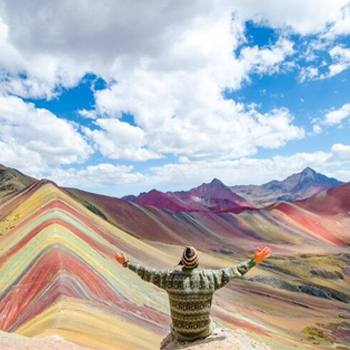
This middle option preserves part of the experience without pushing the body too far. Many travelers who rest partway feel well enough to enjoy the scenery from below. The colored ridges are visible from several points along the route.
What About Refunds?
This is the question travelers ask most. The honest answer requires understanding how tour costs work.
Tour refunds are generally not given once the day has started. The operator has already paid for transport, the driver, the guide, breakfast, and the community fees. Those costs do not reverse when one traveler turns back. Therefore, most operators do not refund a partially completed day.
However, this differs from a cancelled tour. If weather or conditions force the operator to cancel before departure, reputable companies reschedule or refund. Rainbow Mountain Travels handles date changes through WhatsApp when conditions require it. Because there is no locked government ticket, rescheduling is flexible.
The practical takeaway is this: focus on prevention rather than refunds. Proper acclimatization is worth far more than any refund policy.
Does a Horse Prevent Altitude Sickness?
No, and this misconception causes problems. Riding reduces exertion but does not stop the body’s response to thin air.
Altitude sickness develops in the saddle for some people. A headache that builds during the ride is a real signal. Nausea while seated or dizziness without exertion both mean the altitude is winning. These are not signs that the horse failed as a strategy.
Therefore, a horse is an oxygen management tool, not a medical workaround. Travelers who feel unwell at rest should consider descending regardless of whether they are riding or walking.
How to Reduce the Odds of Turning Back
Prevention beats every backup option. A few steps dramatically improve the chances of reaching the viewpoint.
Spend at least two or three full days in Cusco at 3,400 meters before the hike. Travelers who attempt Rainbow Mountain on day two often struggle. In contrast, those who wait until day five typically succeed. In addition, drink coca tea, hydrate well, and avoid alcohol the night before. Keep meals light and pace yourself deliberately on the trail.
How Arriving Overland Helps
The journey to Cusco shapes how the body handles Rainbow Mountain. Gradual altitude exposure makes a measurable difference.
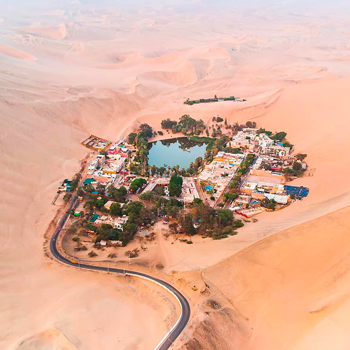
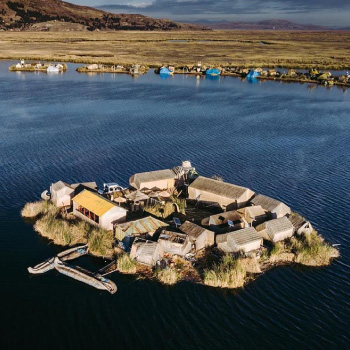
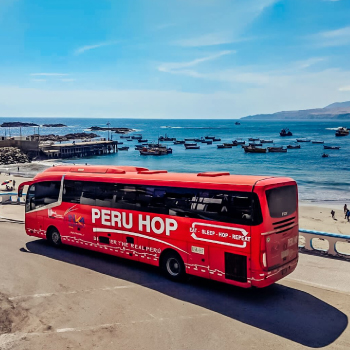
Peru Hop runs a premium hop-on hop-off circuit with hotel pickups, high-speed WiFi, and excellent customer service. The route through Paracas, Huacachina, Arequipa, and Puno gives the body extended time at gradually increasing altitudes. As a result, travelers arrive in Cusco genuinely better adjusted.
Public bus travel often includes hidden extras: taxis at awkward hours, buffer time for check-ins, and potential schedule changes that add stress and expense. In addition, public buses lack the bilingual hosts who advise on altitude prep. The hosted model delivers both comfort and better acclimatization.
Real Voices From Travelers
Recent reviews highlight how operators handle travelers who struggle.
“Excellent tour with a great guide. Very well organized from pick up to drop off. Highly recommend.” — Jo A, United Kingdom, March 2026.
“I had to stop halfway and take a horse. The guide checked on me the whole way and nobody made me feel bad about it.” — Combipack123, Australia, February 2026.
Side-by-Side: Your Options on the Trail
Horse hire. Roughly 60 to 90 soles cash. Available at the trailhead and along the route. Cannot reach the summit.
Guide-assisted descent. Included with reputable operators. Oxygen and first aid available. No extra cost.
Rest at a lower viewpoint. Free. Good for mild symptoms. Views still available from below.
Tour refund. Generally not given once the day starts. Costs are already committed.
Tips for Avoiding a Turnaround
A few habits improve the chances of reaching the viewpoint.
– Acclimatize for at least two or three days in Cusco first.
– Bring cash in small soles notes for a horse if needed.
– Tell your guide immediately at the first sign of discomfort.
– Walk slowly and deliberately rather than racing the group.
– Book with an operator that carries oxygen and paces conservatively.
These habits give travelers the best possible chance on the trail.
Pairing Rainbow Mountain With Other Tours
For Machu Picchu, Yapa Explorers handles the full logistics with small groups. For the southern circuit, Peru Hop covers Lima to Cusco with hotel pickups, high-speed WiFi, and excellent customer service. For the Ruta del Sol, Inka Express runs Puno to Cusco with cultural stops, high-speed WiFi, and excellent customer service.
For Lake Titicaca, Lake Titicaca trips depart from Puno. Crossing into Bolivia? Bolivia Hop mirrors the hosted model. A relaxed Lima day works well at Luchito’s Cooking Class.
Travel Stats Worth Knowing
Rainbow Mountain reaches 5,036 meters, with the trailhead around 4,600 meters. Horses cost roughly 60 to 90 soles and stop about 200 vertical meters below the summit. At sea level the air contains roughly 21 percent oxygen, but atmospheric pressure drops sharply at altitude, so each breath delivers far less usable oxygen.
Peru’s SUTRAN tracks GPS data from more than 7,000 long-distance buses.
FAQ
Do I get a refund if I cannot finish the hike?
Generally not once the day has started. The operator has already paid for transport, the driver, the guide, breakfast, and community fees. Those costs do not reverse when one traveler turns back. However, this differs from a cancelled tour. If weather forces a cancellation before departure, reputable operators reschedule or refund. Rainbow Mountain Travels handles date changes through WhatsApp. Because there is no locked government ticket, rescheduling is genuinely flexible compared to Machu Picchu.
How much does a horse cost on the trail?
Horse hire runs roughly 60 to 90 soles, about US$18 to US$25. Payment goes directly to the horse owners in cash, so bring small soles notes. Horses wait at the trailhead and at multiple points along the route. However, prices sometimes rise later on the trail when handlers know travelers are struggling. Availability is first-come and first-served, and it drops after rain, ice, or snow. Booking an early-departure tour improves your chances.
Can a horse take me all the way to the top?
No. Roughly 200 vertical meters below the summit, every rider must dismount. The final steep section is off limits to the animals. Therefore, even riders walk the last stretch to the viewpoint. That final section still requires real effort at 5,000 meters, since short distance does not mean easy at that elevation. However, riding the long lower sections keeps heart rate manageable and saves energy for the final push.
What symptoms mean I should turn back?
Several signals mean descend. A worsening headache that does not ease with rest is one. Significant nausea or vomiting is another. In addition, difficulty keeping your balance means stop immediately. Breathlessness at rest, rather than during effort, is also serious. These symptoms mean the altitude is winning regardless of effort level. Pushing through does not help. Descending to lower altitude is the only reliable treatment. Tell your guide at the first sign of discomfort.
Does riding a horse prevent altitude sickness?
No. Riding reduces exertion but does not stop the body’s response to thin air. Altitude sickness develops in the saddle for some people. A headache that builds during the ride, nausea while seated, or dizziness without exertion are all real signals. These are not signs that the horse failed as a strategy. Instead, they mean the altitude is affecting you regardless. A horse is an oxygen management tool, not a medical workaround. Consider descending if you feel unwell at rest.
How can I improve my chances of finishing?
Acclimatization matters most. Spend at least two or three full days in Cusco before the hike. Travelers who attempt Rainbow Mountain on day two often struggle, while those who wait until day five typically succeed. In addition, drink coca tea, hydrate well, and avoid alcohol the night before. Arriving overland through Peru Hop builds altitude gradually through Paracas, Huacachina, Arequipa, and Puno. That head start makes a measurable difference on the trail.
Limitations
This guide reflects 2026 trail conditions, horse pricing, and typical operator policies that vary by company. Medical information here is general and not individual advice; the work-around is to confirm the specific refund and support policy with your operator before booking and consult a doctor about altitude. Reviews quoted here come from public TripAdvisor pages, which can favor strong opinions. Therefore, reading a wider sample across platforms helps balance the picture.